

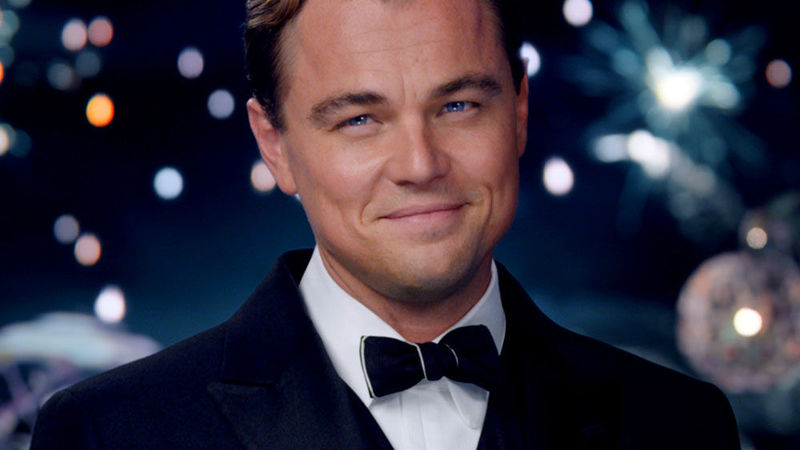



Curiosity around leonardo dicaprio’s casino nights: fact or fiction? stems from the intersection of Hollywood mystique and private gaming culture. As one of the most recognizable actors of his generation, Leonardo DiCaprio is frequently linked to stories about exclusive poker rooms, invite-only events, and late-night tables in hubs like Las Vegas and Macau. Much of the intrigue blends on-screen associations—work with directors known for casino and crime themes—with real-life accounts from the celebrity poker scene. This article sets out a clear, evidence-led overview: how DiCaprio’s film projects helped cement his proximity to casino culture, what is actually known about his social presence in select poker circles, and where public perception diverges from reality.
DiCaprio’s Connections to Casino Culture and Hollywood
Leonardo DiCaprio’s name often surfaces in discussions of casinos largely due to his professional collaborations. He starred in The Audition, a short film directed by Martin Scorsese, alongside Robert De Niro, filmed at a luxury casino resort in Macau. The production was more than just a promotional piece—it reinforced the actor’s association with the glamorous world of high-stakes play and casino nightlife.
While DiCaprio himself is not known for being a high-roller in real life, his filmography places him close to stories of risk and reward, from The Wolf of Wall Street to collaborations with Scorsese that often touch on wealth, excess, and vice. Through these roles, DiCaprio has helped shape the cinematic image of casinos, high-stakes betting, and the allure of winning millions under the bright lights of Las Vegas.
The Real Celebrity Poker Scene
Leonardo DiCaprio’s reputation as a participant in Hollywood’s underground poker circuit comes largely from accounts shared by Molly Bloom, the organizer of high-profile private games later depicted in Molly’s Game. These events attracted A-listers like Tobey Maguire, Ben Affleck, and other stars who enjoyed the exclusivity of these secretive gatherings.
- DiCaprio was often described as a quiet presence at the poker table, more focused on the social environment than on winning millions.
- According to Bloom’s memoir, his appearances helped attract wealthy business figures eager to sit with celebrities.
- Friends like Maguire and other Hollywood actors often dealt with the competitive side of these poker nights, while DiCaprio treated it as a chance to relax.
Unlike other stars known for high-stakes habits, DiCaprio’s involvement was more about camaraderie than serious gambling. These anecdotes underline how poker in Hollywood often blends social networking, entertainment, and a touch of mystique rather than being strictly about the game itself.
Public Perception vs Reality
When it comes to Leonardo DiCaprio’s casino nights: fact or fiction?, the gap between myth and truth is wide. Media stories often amplify his presence at exclusive poker events, painting him as a high-stakes gambler. In real life, however, most accounts suggest that DiCaprio’s participation was far more casual. Unlike figures such as Tobey Maguire, who was deeply competitive in these poker games, DiCaprio approached the table with modest stakes and little pressure to win.
The actor’s star power also played a role in shaping the story of these gatherings. Simply having DiCaprio in the room drew attention, with wealthy players eager to join a game that included a Hollywood icon. While the public perception often links him directly to the glamorous and risky side of the gambling world, the reality shows a controlled and entertainment-driven engagement rather than an obsession with chips and winnings.
DiCaprio’s Impact on Casino and Gambling Culture
Leonardo DiCaprio’s influence on the image of casino culture is less about high-stakes wagers and more about his Hollywood presence. His role in Martin Scorsese’s short film The Audition—filmed in Macau alongside Robert De Niro—helped reinforce the glamorous association between A-list actors and luxury resorts. On the big screen, such portrayals contributed to the mystique of casino nights, blending cinematic storytelling with real-world intrigue.
Off-screen, his appearances in celebrity poker games, as referenced in Molly Bloom’s accounts, added to the fascination surrounding DiCaprio. These moments positioned him as part of an elite circle where fame, wealth, and exclusivity intersected. While DiCaprio may not be considered a serious gambler like Tobey Maguire or Ben Affleck, his presence elevated the perception of these events, making them feel like scenes from a Hollywood movie rather than ordinary card nights.
In this way, DiCaprio’s involvement—both through his film roles and limited real-life participation—helped shape how the public views the blend of celebrity life and casino glamour, leaving an imprint on popular culture even without a deep personal commitment to the games.
Conclusion: Leonardo DiCaprio’s Casino Nights – Fact or Fiction?
When weighing the stories surrounding Leonardo DiCaprio’s casino nights: fact or fiction?, the truth appears to rest somewhere in the middle. While DiCaprio has indeed been connected to celebrity poker games alongside figures like Tobey Maguire and mentioned in Molly Bloom’s accounts of the underground scene, his involvement has always seemed more social than competitive. Unlike other Hollywood stars known for high-stakes play, DiCaprio rarely emerges as the central gambler, instead appearing as a presence that elevates the exclusivity of these gatherings.
On the big screen, through collaborations with Martin Scorsese and appearances with Robert De Niro, DiCaprio has helped cement the association between Hollywood storytelling and the allure of casino glamour. These portrayals contribute to public fascination and blur the line between real life and cinematic legend.
Ultimately, DiCaprio’s reputation in the gambling world is more about myth-making than reality. His presence reinforces the cultural fascination with celebrities, exclusivity, and risk, but his personal connection to casino games remains measured. For fans, the intrigue lies less in whether he truly “plays to win” and more in how his star power keeps the narrative alive.